Different Dance Styles and Their Impact on Social Skills
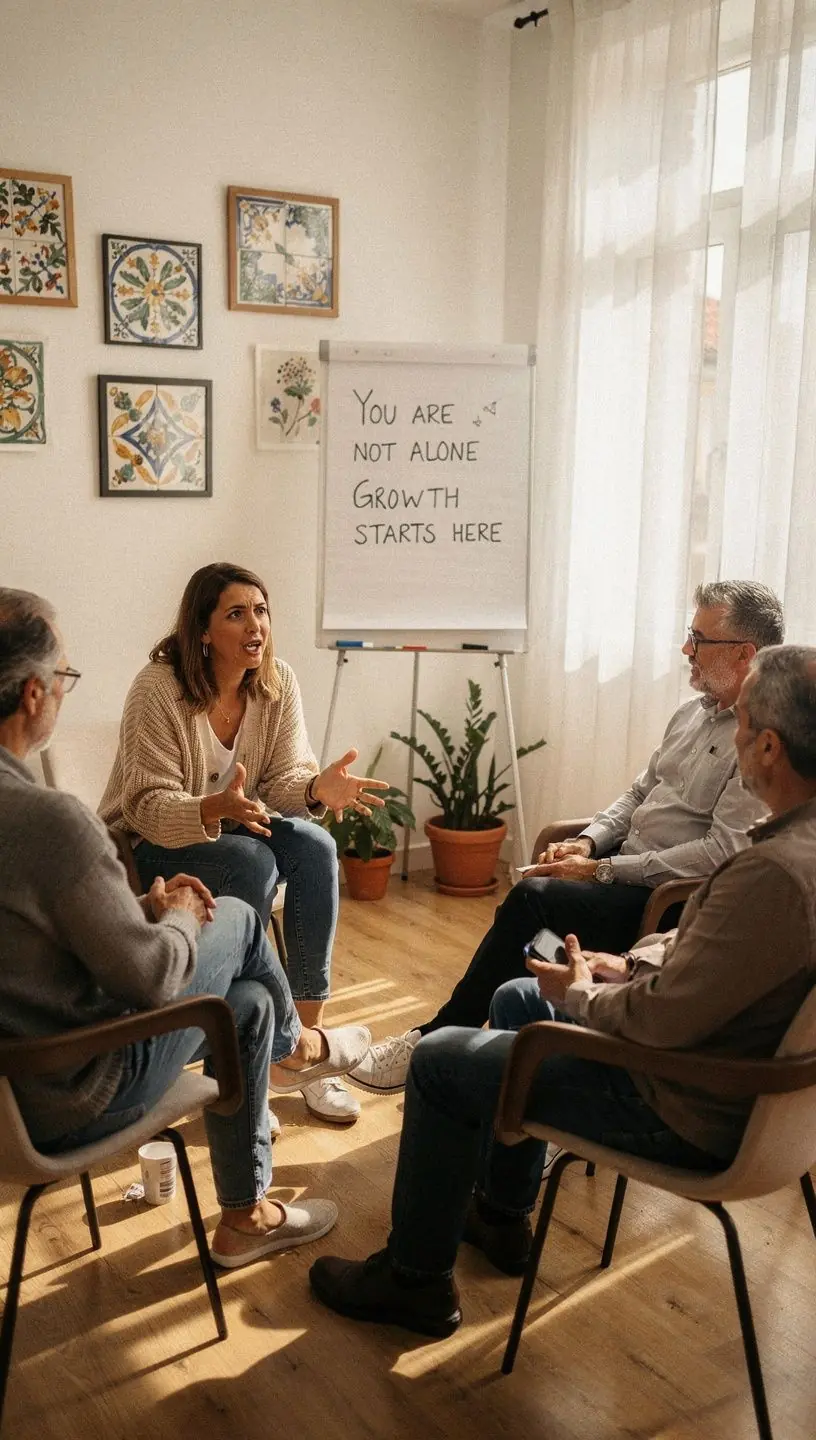
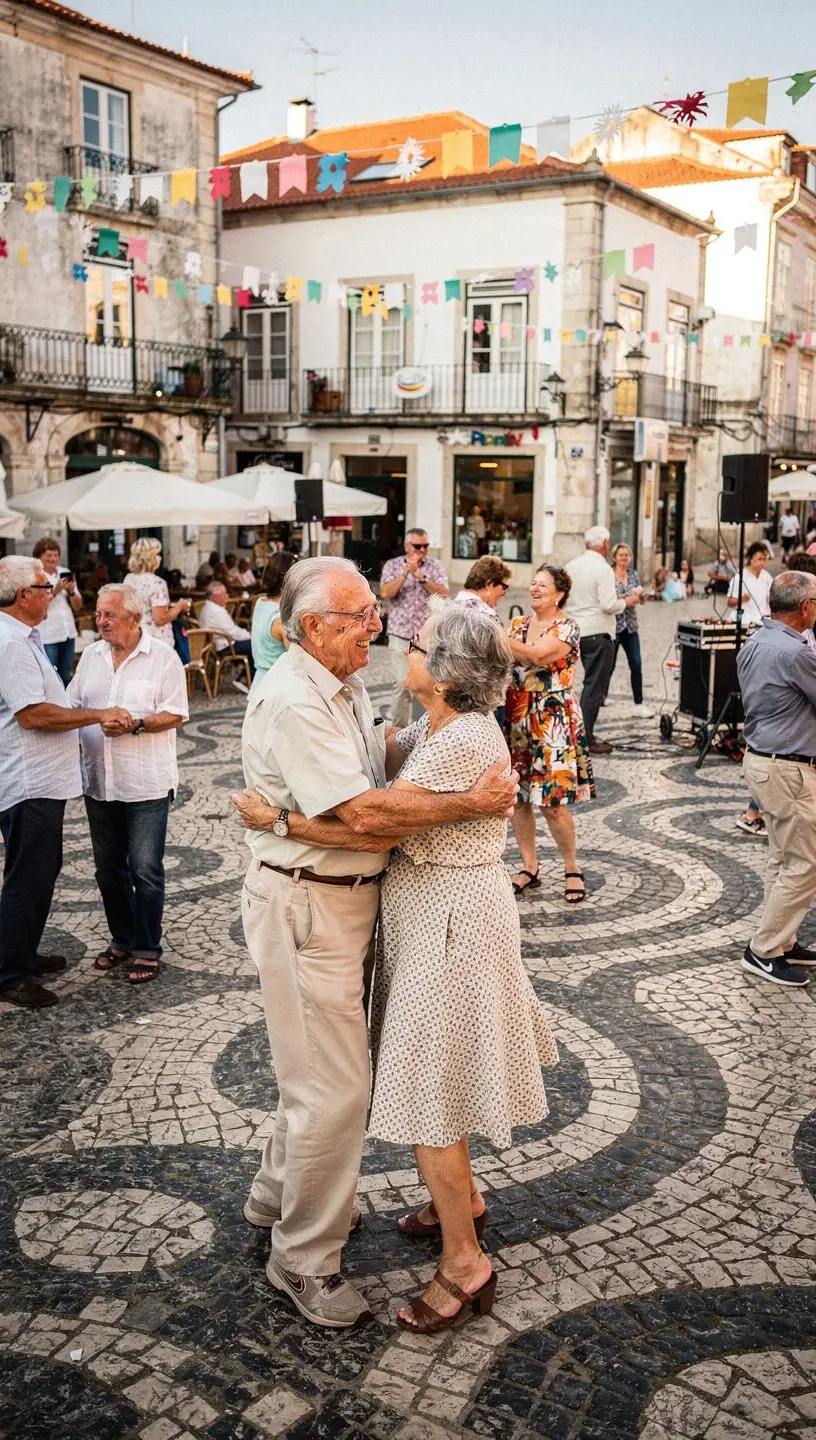
Dance is not just an art form; it is a powerful tool for social interaction and personal development. Various dance styles can help individuals enhance their social skills and communication abilities. This article explores how different dance forms contribute to social reintegration through structured group sessions.
Understanding the Basics
Dancing involves physical movement and expression, but it also serves as a medium for social engagement. According to research published in the Journal of Social Psychology, participating in dance activities can lead to improved interpersonal skills and a greater sense of community. Many experts recommend dance as a viable option for fostering social connections in group settings.
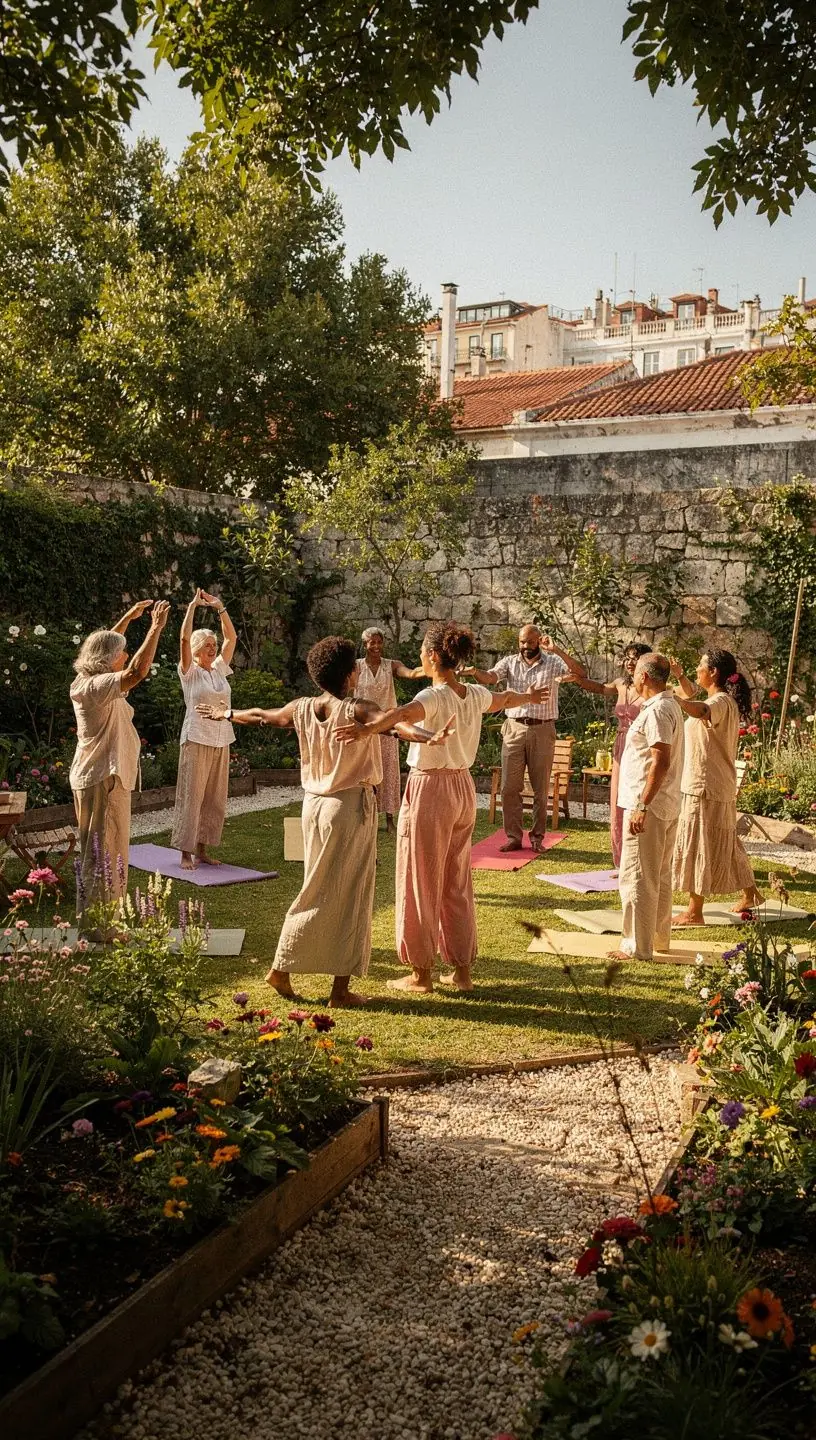
"Dance can be a transformative experience, offering opportunities for connection and expression that might be difficult in other social contexts."
The Impact of Different Dance Styles
Each dance style has its unique characteristics and benefits. Here are a few popular dance styles and their potential impact on social skills:
- Salsa: Often known for its lively rhythms, salsa dancing encourages partners to communicate effectively through body language, fostering trust and cooperation.
- Ballet: Ballet emphasizes discipline and commitment, helping individuals learn the importance of teamwork and respect for others, which are crucial for social interactions.
- Hip-Hop: This energetic style promotes self-expression and creativity, allowing participants to develop confidence in social settings. Many users report feeling more comfortable interacting with peers after engaging in hip-hop dance.
- Ballroom: This form requires close partnership and coordination, enhancing skills in negotiation and compromise, which can translate to better social relationships.
Practical Application in Structured Sessions
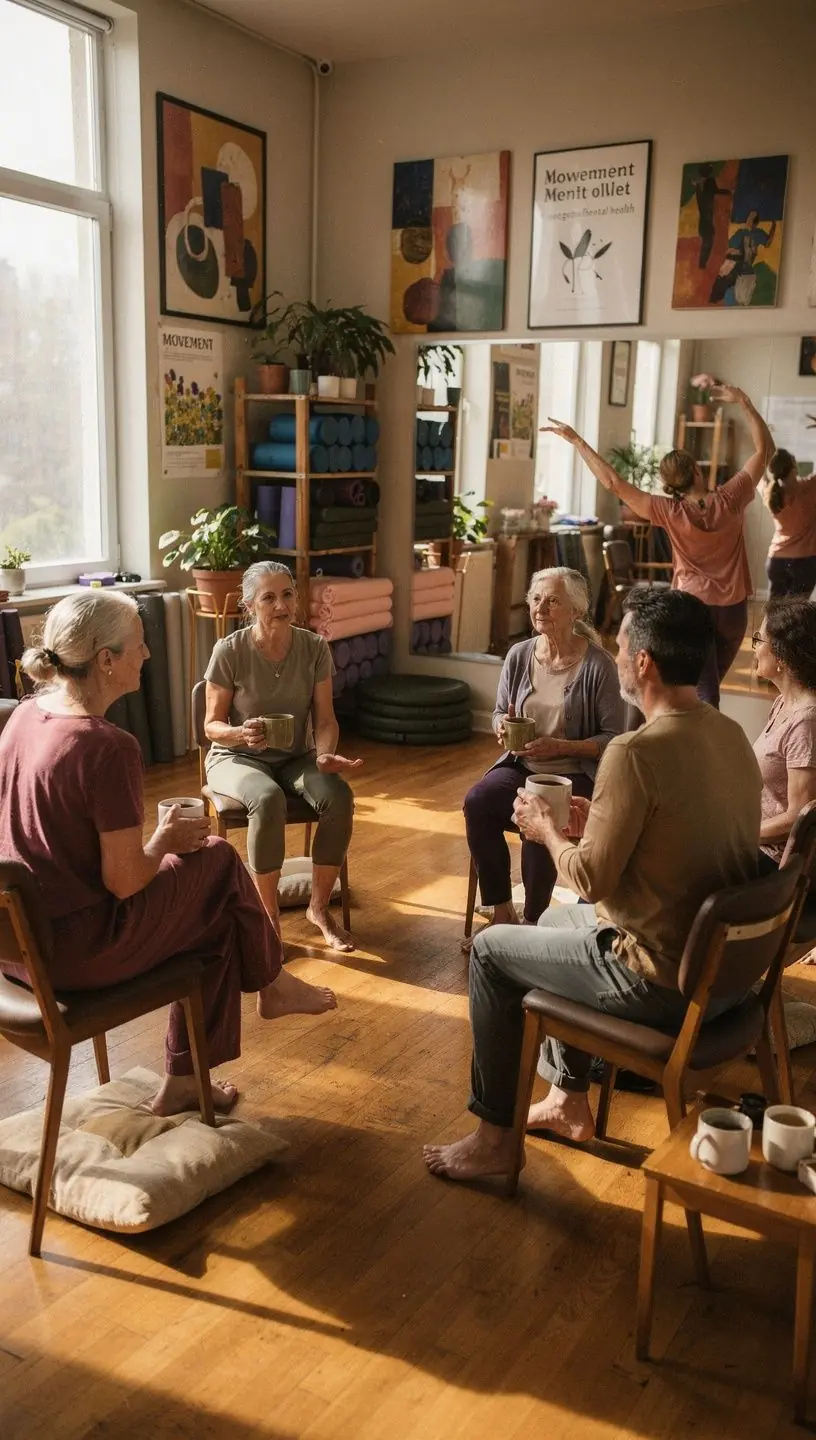
Structured group sessions that incorporate dance can enhance social skills in several ways:
- Collaboration: Participants often work in pairs or groups, encouraging them to communicate and collaborate. This typically takes 2-4 weeks for noticeable improvement in social dynamics.
- Feedback Mechanism: Instructors provide constructive feedback, allowing participants to learn from their interactions. This approach works best when individuals are open to learning from their peers.
- Social Events: Organizing dance events can create an informal environment where participants can practice their social skills outside of the structured sessions, fostering a sense of community.
Acknowledging Limitations
While dance can significantly improve social skills, it is essential to recognize its limitations. Participants often face a learning curve, especially if they are new to a particular style. Additionally, consistent practice is required—results typically appear within 3-6 months of regular engagement.
Conclusion
Engaging in various dance styles can effectively promote social reintegration and enhance interpersonal skills. By participating in structured group sessions, individuals can learn valuable social skills that benefit them both in and out of the dance studio. Remember, the journey through dance is just as important as the destination—it requires commitment, openness, and a willingness to connect with others.