Integrating Mindfulness Practices into Dance Coaching
In recent years, the integration of mindfulness practices into various fields has gained traction, particularly in coaching methodologies. This article explores the potential benefits of incorporating mindfulness into dance coaching, focusing on social reintegration through structured group sessions.
Understanding the Basics of Mindfulness in Coaching
Mindfulness, defined as the practice of being present and fully engaged in the moment, can be instrumental in enhancing the effectiveness of dance coaching. According to research, mindfulness practices are associated with reduced stress and anxiety levels, which can improve performance and social interactions. Experts recommend incorporating mindfulness techniques to help participants connect with their bodies and enhance their awareness of movement.
"Mindfulness can significantly improve focus and emotional regulation, which are crucial in a dance setting." - Dr. Sarah Thompson, Dance Psychologist
How Mindfulness Enhances Dance Coaching
Integrating mindfulness into dance coaching involves several key principles:
- Increased Body Awareness: Mindfulness encourages dancers to tune into their bodies, promoting a better understanding of their physical abilities and limitations.
- Improved Emotional Resilience: Engaging in mindfulness practices can help dancers manage the emotional ups and downs that come with performance and practice.
- Enhanced Focus: Studies show that mindfulness can lead to improved concentration, allowing dancers to fully engage with their movements and the choreography.
Practical Application of Mindfulness in Dance Coaching
Incorporating mindfulness into a dance coaching program typically involves the following steps:
- Mindful Warm-Ups: Begin each session with a mindfulness exercise, such as focused breathing or body scans, to prepare participants mentally.
- Movement Meditation: Encourage dancers to explore movements slowly and thoughtfully, allowing for a deeper connection to their bodies and the music.
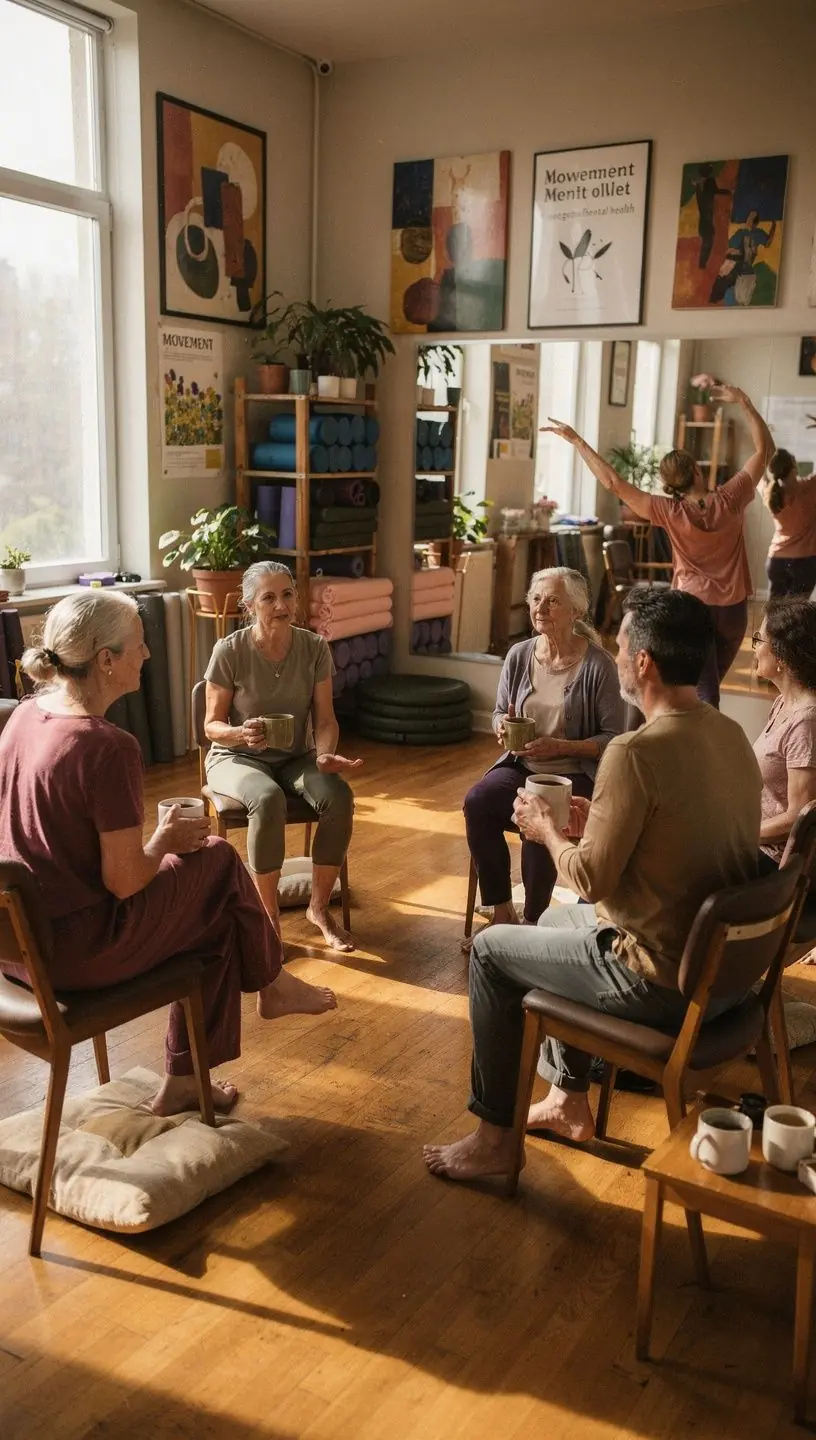
- Reflection Sessions: After dance sessions, facilitate discussions where dancers can reflect on their experiences, fostering a supportive community and enhancing social reintegration.
Challenges and Considerations
While integrating mindfulness into dance coaching can yield positive results, it is important to acknowledge some challenges:
- Mindfulness practices often require consistent practice and may take time to show benefits, typically ranging from a few weeks to several months.
- Some participants may find it challenging to focus on mindfulness, especially in a fast-paced dance environment. Patience and dedication are essential.
- Mindfulness may not be suitable for everyone; it is important to assess each individual's needs and readiness to engage in such practices.
Conclusion
Incorporating mindfulness practices into dance coaching can effectively enhance not only the dancers' skills but also their emotional and social well-being. By fostering a culture of mindfulness, coaching academies can support social reintegration and create a more inclusive experience for all participants. As the field continues to evolve, embracing evidence-based approaches will be key to maximizing the benefits of dance as a tool for personal growth.
Learn More