The Psychology of Movement: Dance and Self-Expression
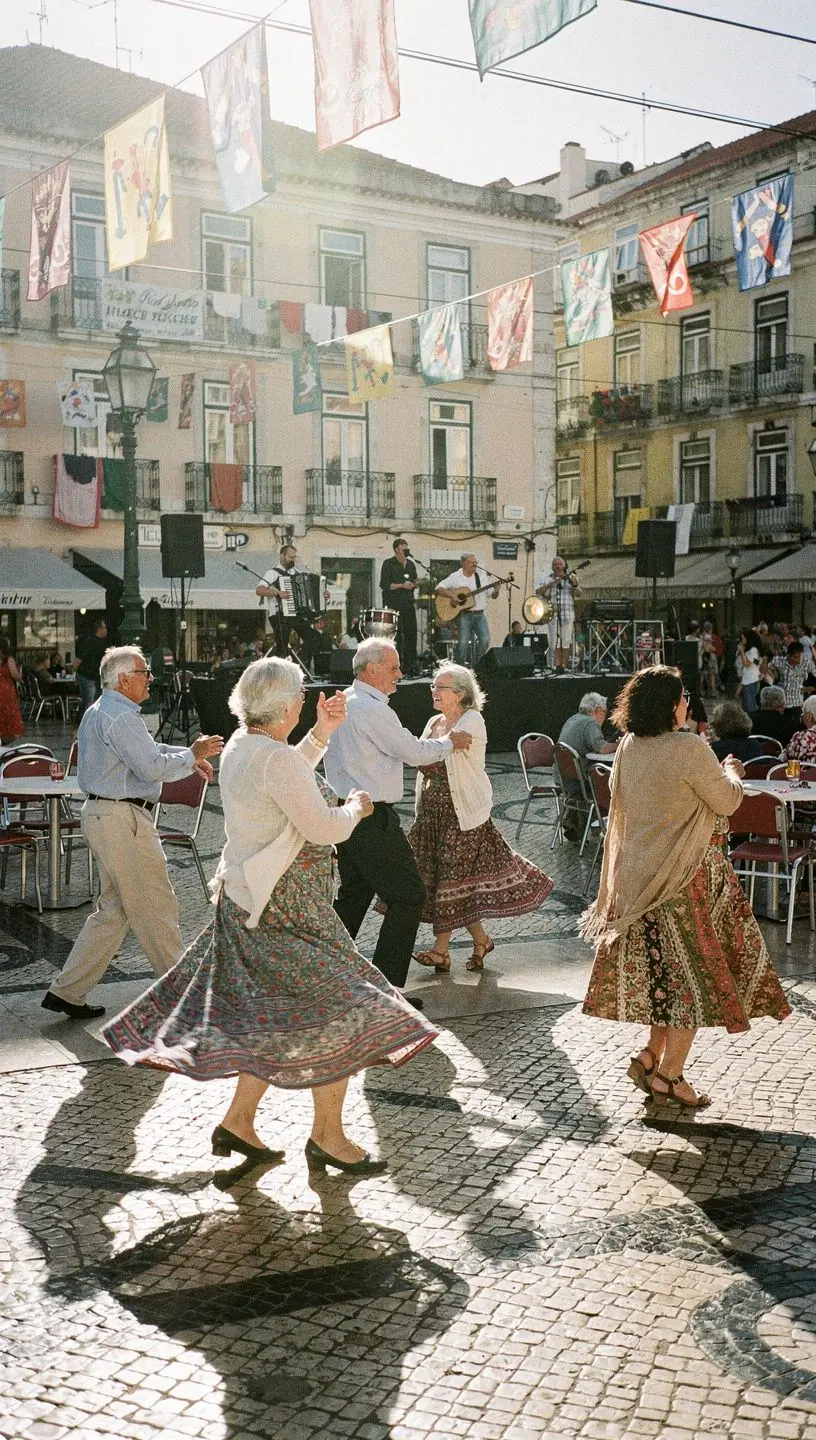
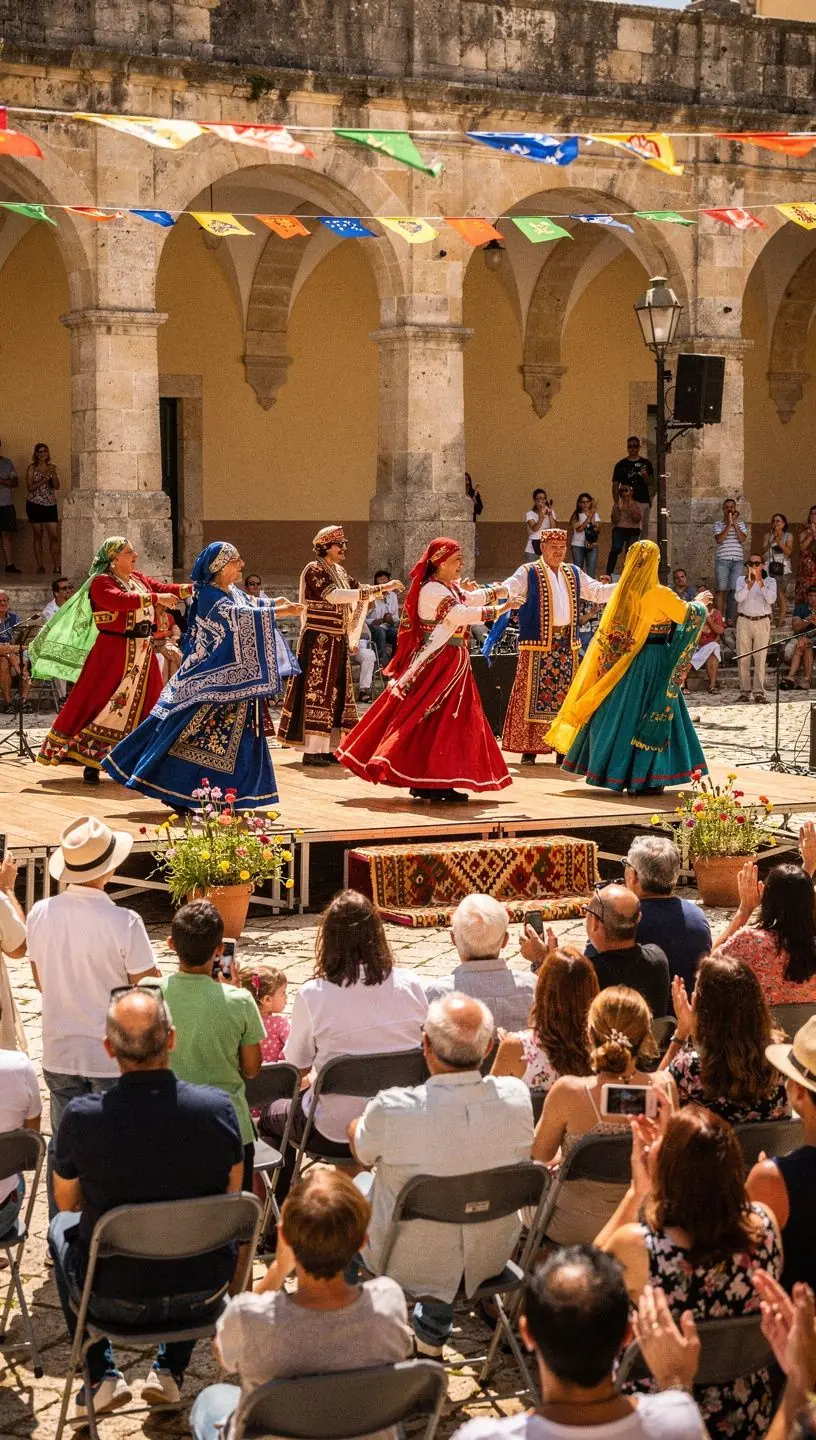
Dance is more than just a sequence of movements; it is a profound form of self-expression, deeply intertwined with psychology. This article explores how dance can significantly aid in self-expression and social reintegration, particularly through structured group sessions, as practiced by various coaching academies.
Understanding the Connection Between Dance and Psychology
Movement and emotion are closely linked, a concept well recognized in psychology. According to research, engaging in dance can enhance emotional well-being and promote social interaction. Many studies indicate that physical activity, particularly expressive forms like dance, can lead to improvements in mood and self-esteem. Experts in the field suggest that this is due to the release of endorphins, the body's natural mood lifters.
"Dance is the hidden language of the soul." - Martha Graham
The Role of Structured Group Sessions
Structured group sessions in dance offer an opportunity for individuals to engage socially while expressing themselves. These sessions typically involve:
- Collaboration: Participants often work together to create choreography, fostering teamwork and communication.
- Feedback: Constructive feedback from peers and instructors can enhance individual growth and confidence.
- Guided Practice: Instructors provide a supportive environment that helps participants explore their movement styles.
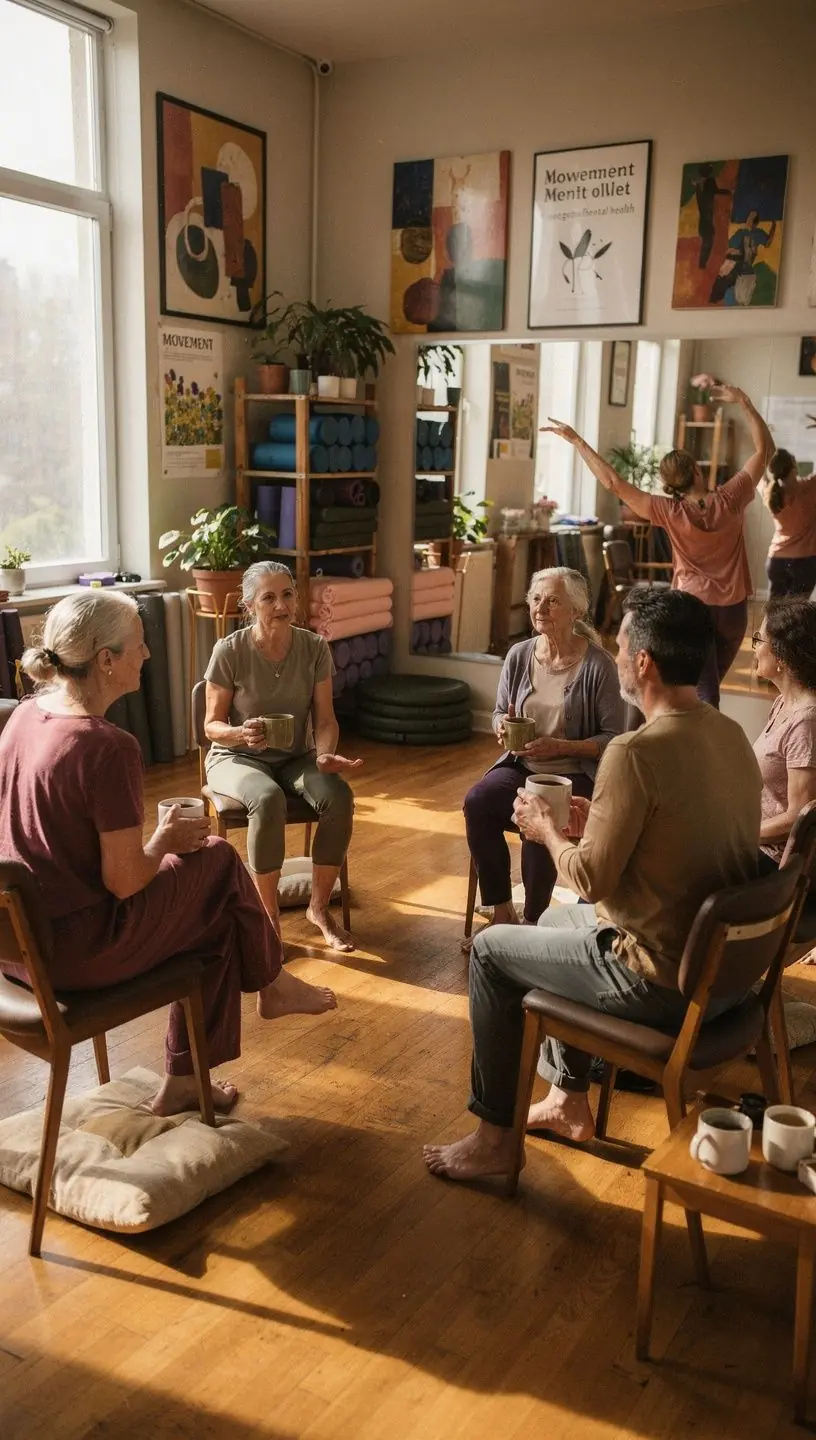
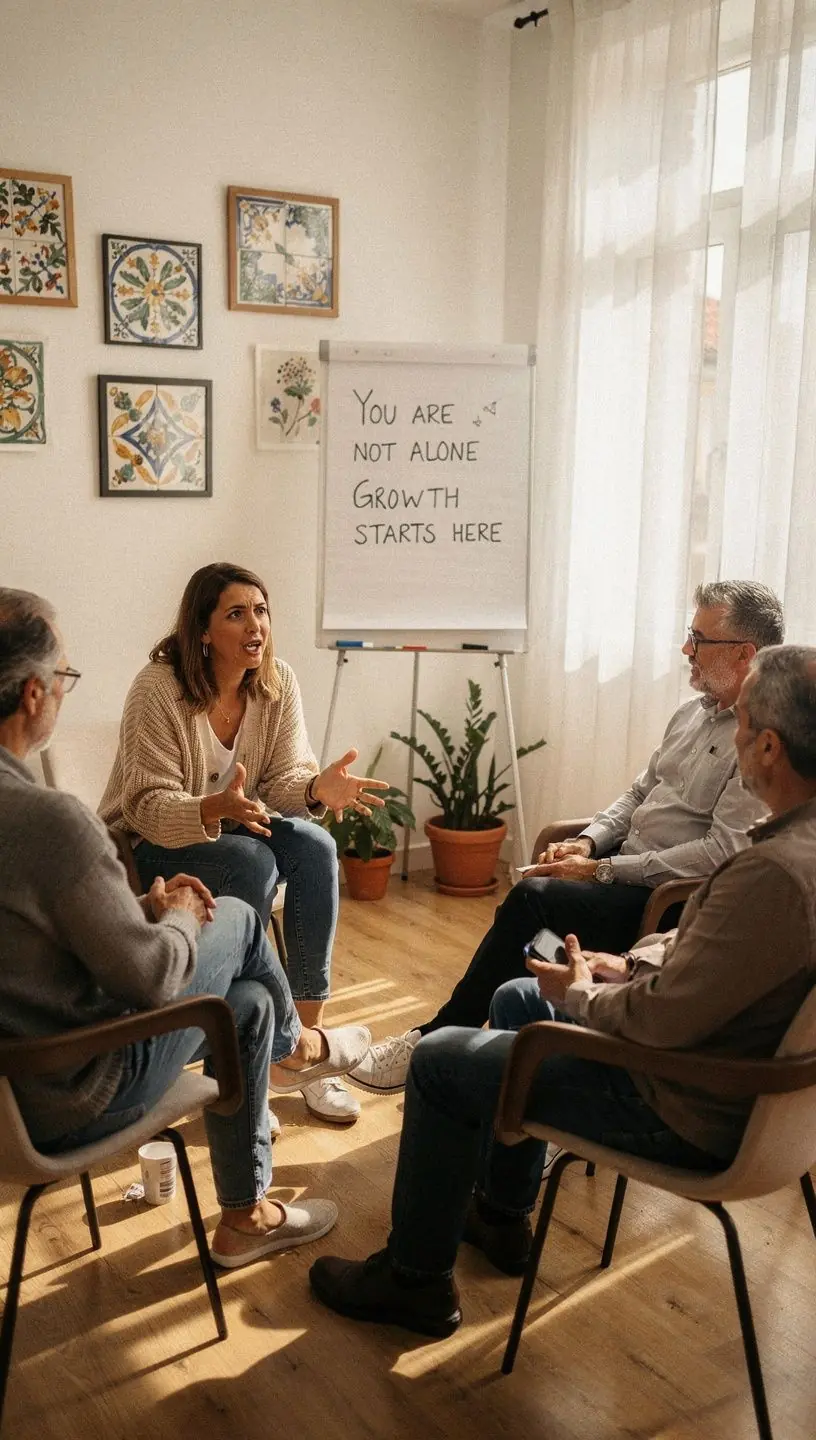
The principle behind these sessions is that they create a safe space for individuals to express their emotions, which can be particularly beneficial for those undergoing social reintegration. For many, the act of dancing in a group can help reduce feelings of isolation and anxiety.
Benefits of Dance as a Form of Self-Expression
Engaging in dance has been shown to provide several psychological benefits:
- Improved Emotional Regulation: Regular participation in dance can help individuals learn to modulate their emotions, leading to better emotional control.
- Increased Confidence: Many users report that mastering new dance techniques boosts their self-esteem and encourages a positive self-image.
- Enhanced Social Skills: Dance often requires interaction, which can improve communication skills and foster new friendships.
However, it is essential to acknowledge that the benefits of dance typically require a commitment to regular practice. Individuals might need to dedicate time to attend weekly sessions and practice outside of these sessions to see significant improvements.
Acknowledging Limitations
While dance can be a powerful tool for self-expression, it may not work for everyone. Some individuals may find it challenging to engage with dance due to physical limitations or personal preferences. It is also important to note that progress in emotional well-being through dance typically takes time and consistent effort. In most cases, results may become apparent within a few months of regular participation.
Conclusion
In summary, dance serves as an effective medium for self-expression, supported by psychological principles and social interaction. By participating in structured group sessions, individuals can enhance their emotional well-being, build social skills, and gain confidence through movement. While the benefits are substantial, they necessitate commitment and time. Embracing dance as a form of self-expression can lead to meaningful personal growth and contribute to the process of social reintegration.
Learn More