How to Create a Supportive Environment for Older Dancers
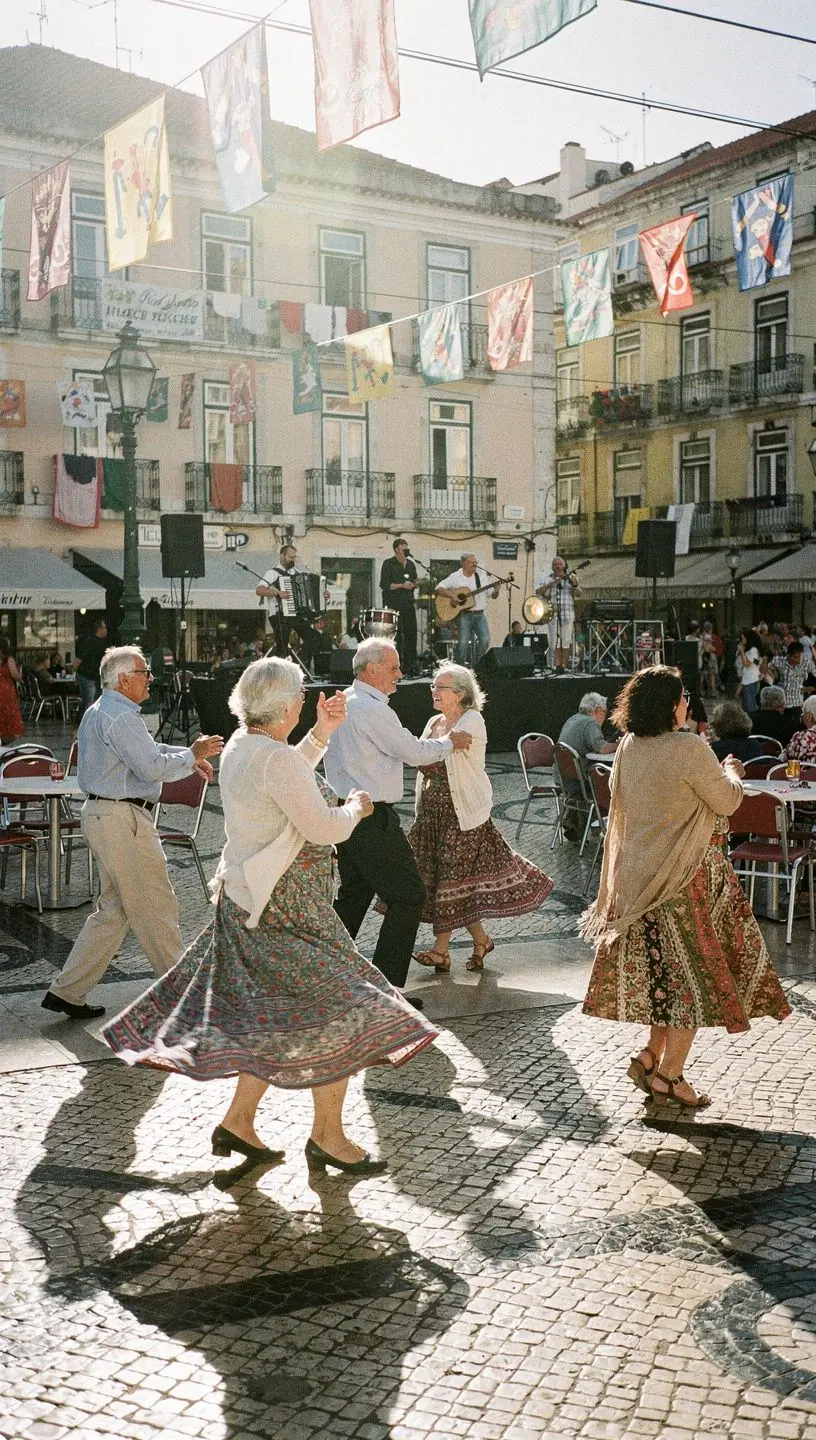
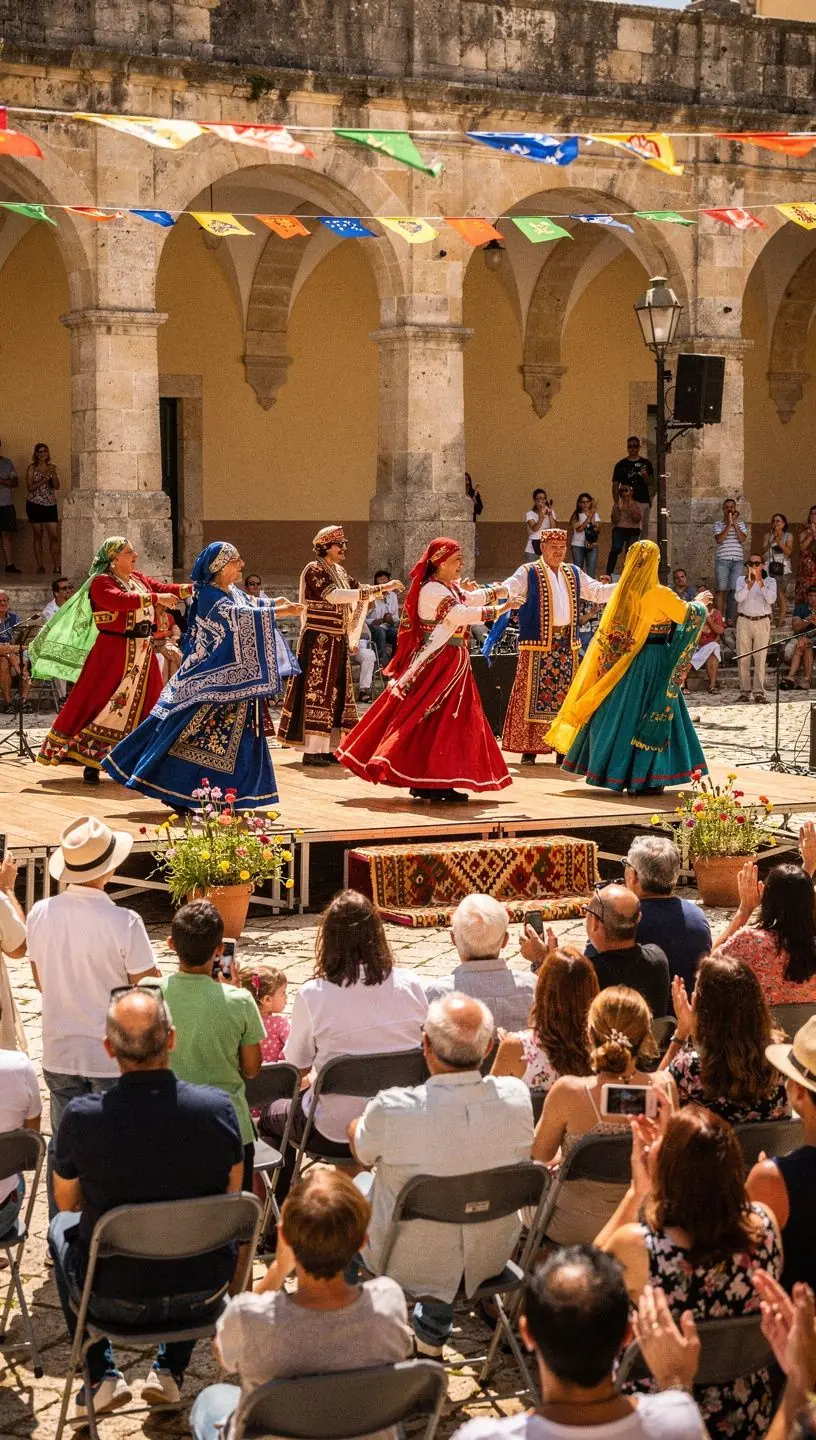
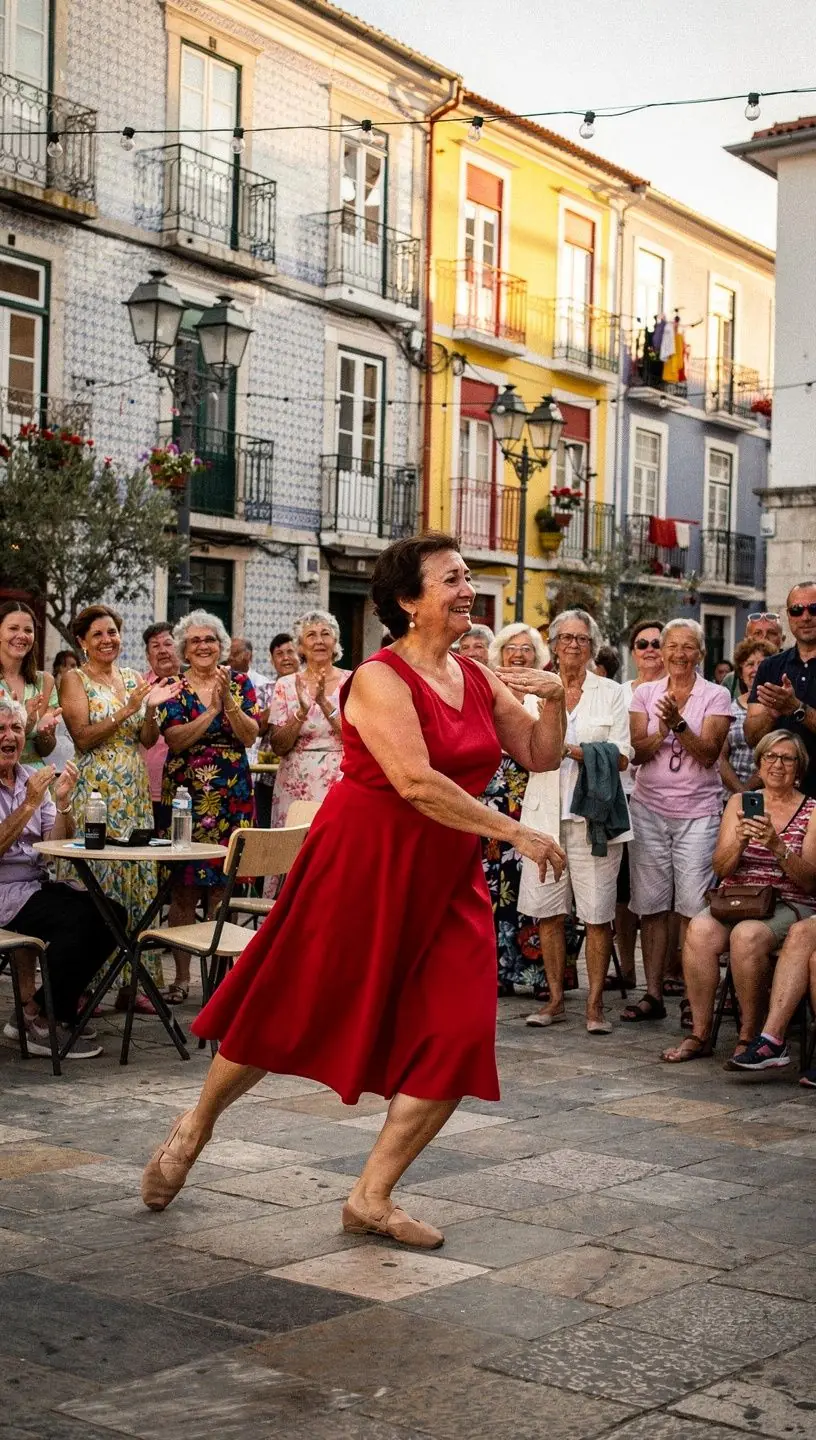
Creating a nurturing and supportive environment for older dancers is essential for their social reintegration and well-being. This article explores effective strategies to foster such an environment while considering the unique needs of older participants.
Understanding the Importance of Supportive Environments
According to research in the field of dance therapy, supportive environments can significantly enhance the emotional and physical well-being of older adults. Creating a space where they feel welcomed and valued is crucial for their engagement and participation. Experts recommend that environments be designed to be inclusive, providing opportunities for social interaction and personal expression.
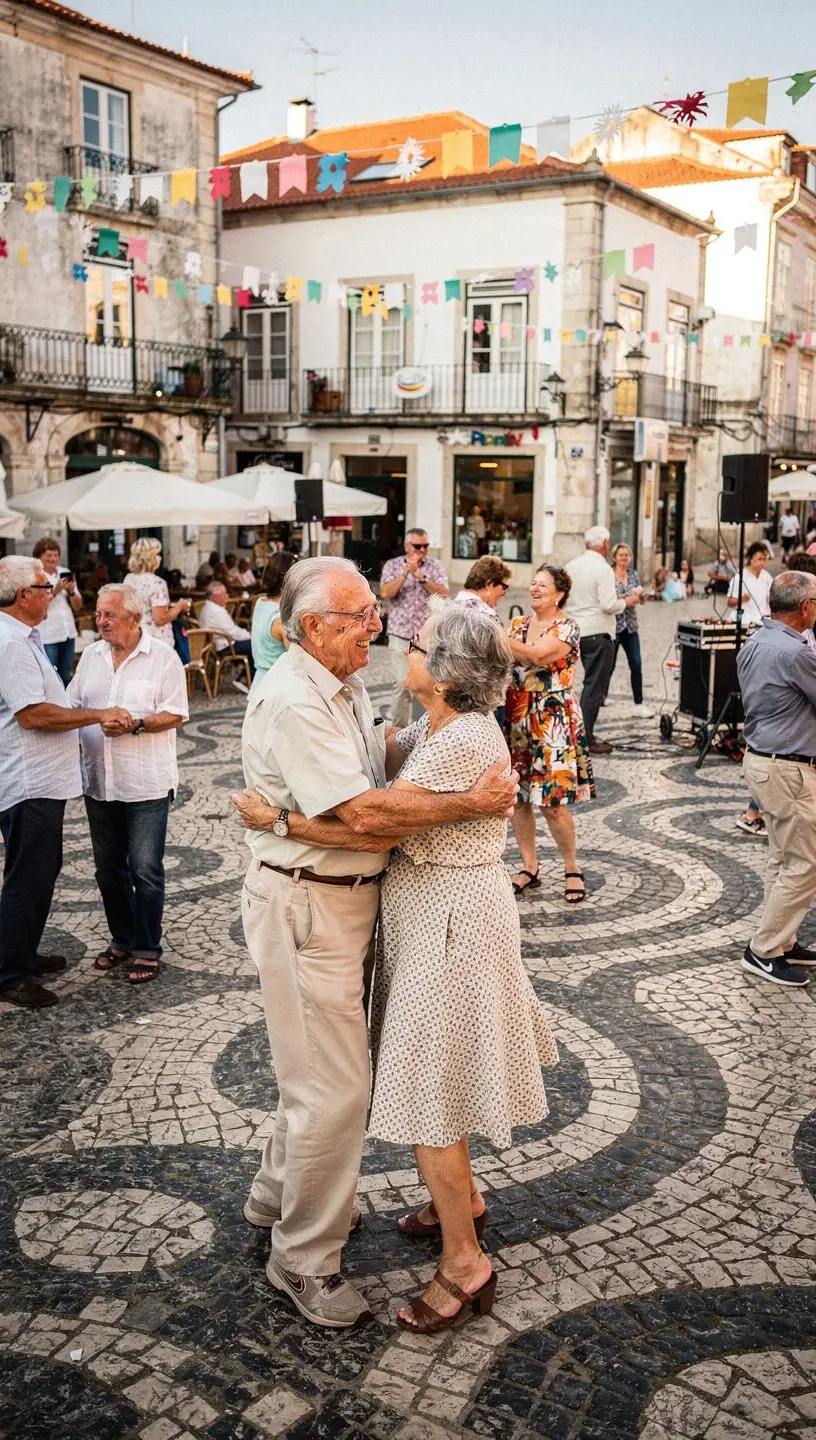
"A supportive atmosphere can lead to improved mental health and greater enjoyment in dance activities," says Dr. Lisa Roberts, a specialist in geriatric dance therapy.
Key Strategies for Fostering Support
- Encourage Social Connections: Organize group sessions that promote interaction among participants. Research indicates that social engagement can significantly reduce feelings of isolation often experienced by older adults.
- Provide Structured Sessions: Implement structured dance sessions that cater to varying skill levels. This approach not only builds confidence but also allows participants to progress at their own pace, which is often more effective for older dancers.
- Incorporate Feedback: Regularly solicit feedback from participants regarding their experience. Studies show that when individuals feel their opinions are valued, their overall satisfaction and commitment to the program increases.
Addressing Potential Barriers
While creating a supportive environment is beneficial, it also requires acknowledging potential barriers. Time commitments and physical limitations should be considered when planning classes. For instance, sessions that last too long or are overly strenuous may not be suitable for all older dancers. Typically, classes should not exceed 60 minutes and should include breaks to prevent fatigue.
Moreover, it's essential to recognize that not all older dancers may have prior experience. As such, offering introductory workshops can help ease participants into dance activities, providing them with the necessary skills and confidence to join regular sessions.
Conclusion
In conclusion, creating a supportive environment for older dancers requires a thoughtful and inclusive approach. By prioritizing social connections, providing structured sessions, and actively seeking feedback, you can foster a nurturing atmosphere that promotes participation and enjoyment. Remember, the goal is to enhance their dance experience while facilitating social reintegration, ensuring that all participants feel valued and included.