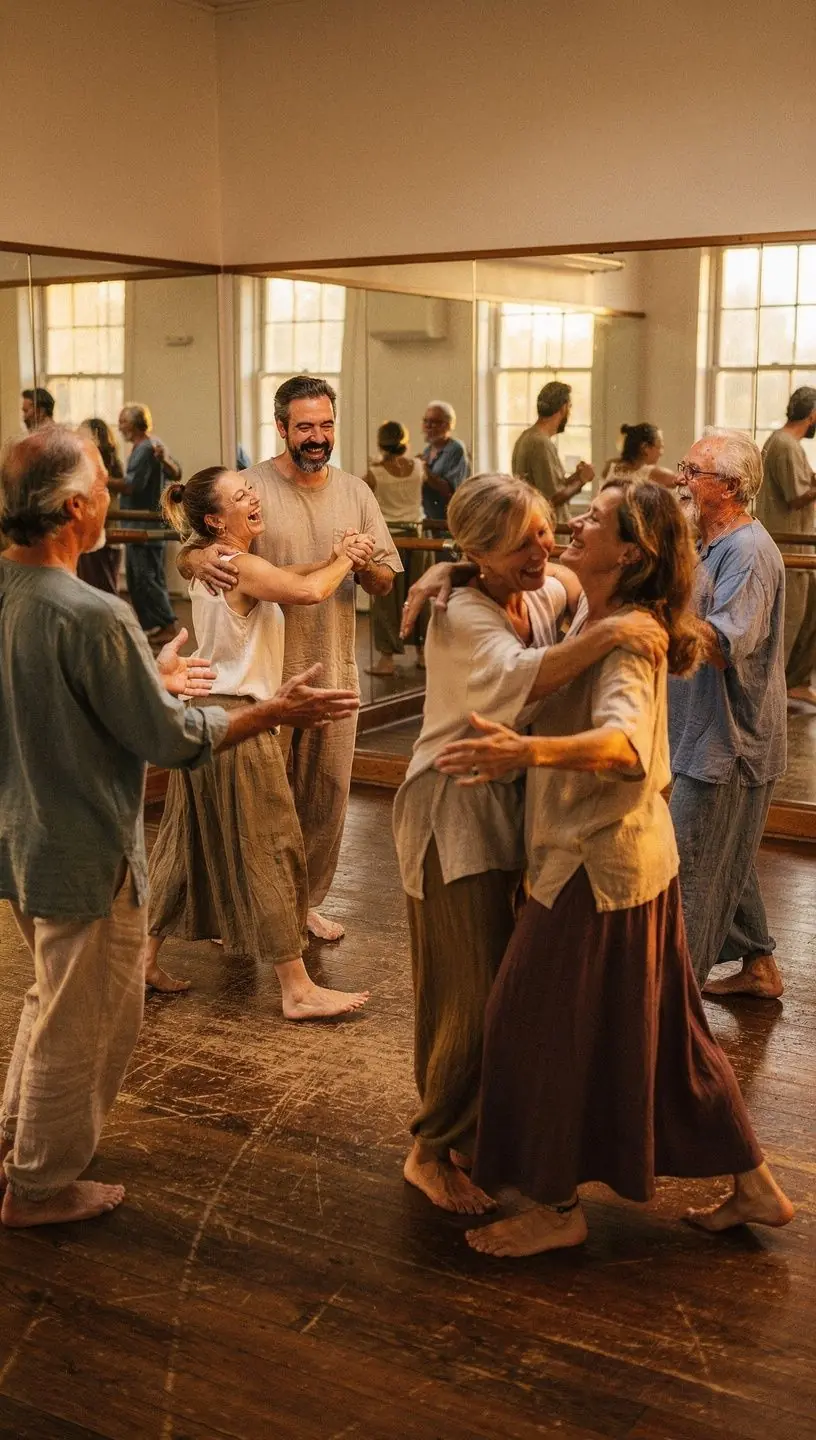
The Importance of Inclusivity in Dance Coaching Programs
Inclusivity plays a vital role in dance coaching programs, especially those aimed at social reintegration. This article explores the significance of creating welcoming environments that cater to diverse participants, ensuring everyone can benefit from dance.
Understanding the Basics of Inclusivity
Inclusivity in dance coaching refers to creating an environment where individuals, regardless of their background or ability, can participate and thrive. According to research, inclusive practices in sports and coaching can significantly enhance participants' motivation and engagement levels.

"Inclusive coaching not only fosters a sense of belonging but also enhances the overall experience of participants." - Dance Education Journal
Why Inclusivity Matters
Experts suggest that inclusive dance programs lead to numerous benefits, both for individuals and the community:
- Enhanced Social Skills: Dance often requires teamwork and communication. Inclusive programs can help participants develop essential social skills.
- Improved Self-Esteem: Many users report feeling more confident and valued when they can participate in a supportive environment.
- Broader Perspectives: Diverse groups often bring varied experiences, fostering creativity and innovation in choreography and performances.
Implementing Inclusive Practices in Dance Coaching
To create an inclusive dance coaching program, consider the following methods:
- Adapt Your Curriculum: Tailor your dance styles and techniques to accommodate different skill levels and physical abilities. This may involve adjusting choreography or offering alternative dance forms.
- Train Your Coaches: Educate your coaching staff on the importance of inclusivity and how to effectively engage with diverse participants. Research indicates that coaches who understand inclusivity principles can better support their dancers.
- Foster a Supportive Environment: Encourage open communication and create a culture of respect and support among participants. This works best when everyone feels safe to express themselves without fear of judgment.
Acknowledge Limitations
While inclusivity is essential, it is important to recognize the challenges involved. Implementing these practices typically requires an ongoing commitment to training and development. Additionally, achieving full inclusivity may take time, and results often become evident within several months of dedicated effort.
Conclusion
In summary, fostering inclusivity in dance coaching programs not only benefits individual participants but also enriches the community as a whole. By implementing adaptable practices, training coaches effectively, and creating supportive environments, organizations can enhance the dance experience for everyone involved. An inclusive approach is an effective strategy that can help many users achieve their personal and social goals through dance.