Creating Effective Dance Curriculums for Older Adults
As the world increasingly recognizes the value of social reintegration for older adults, dance has emerged as a powerful tool for fostering community and connection. Crafting an effective dance curriculum tailored to older adults requires careful consideration of their unique needs and capabilities. This article explores how structured dance programs can facilitate social reintegration while promoting physical and mental well-being.
Understanding the Basics
When developing a dance curriculum for older adults, it's essential to consider the physiological and psychological changes that occur with aging. According to research from the American Dance Therapy Association, dance can enhance physical fitness, improve cognitive function, and promote emotional well-being. This works because dance engages multiple systems in the body, fostering coordination and balance, which are often areas of concern for older individuals.

"Dance therapy not only improves physical health but also fosters social connections, making it a valuable tool for community reintegration." - American Dance Therapy Association
Key Elements of an Effective Curriculum
Creating a dance curriculum that resonates with older adults typically involves several key elements:
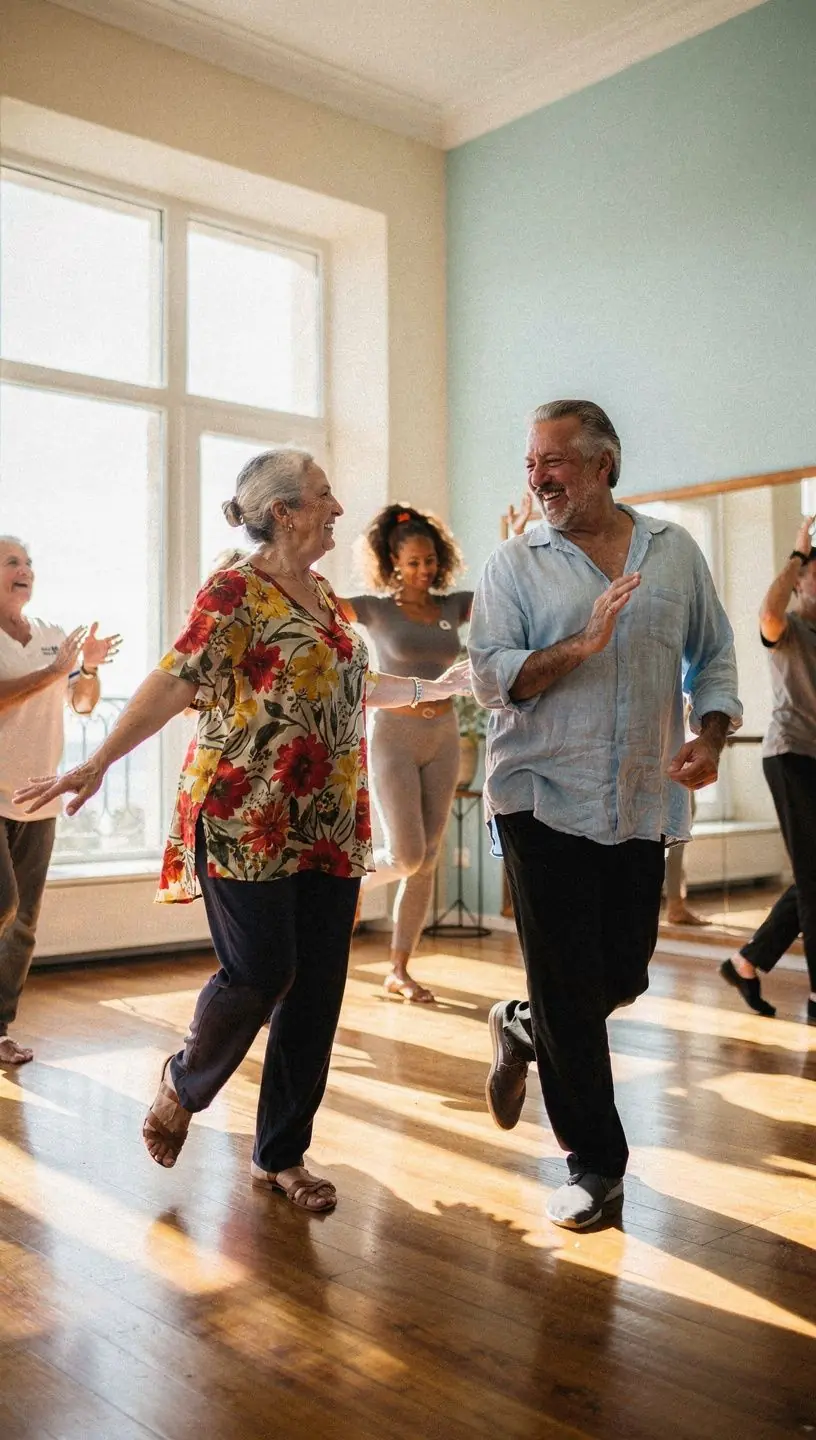
- Accessibility: Classes should be designed to accommodate varying levels of ability, ensuring that all participants feel welcomed and included. This may involve adapting movements and providing alternative options for those with limited mobility.
- Social Interaction: Incorporating group sessions encourages socialization, which is crucial for combating loneliness. Research indicates that social engagement can improve mental health and overall life satisfaction among older adults.
- Structured Progression: A well-defined progression in the curriculum helps participants build confidence and skills over time. Experts recommend starting with simple movements and gradually introducing more complex sequences to maintain engagement and motivation.
Implementing the Curriculum
Implementing an effective dance curriculum involves several steps:
- Assessment: Begin with a thorough assessment of participants' physical and cognitive abilities. This helps tailor sessions to their specific needs and ensures safety.
- Session Planning: Each session should include a warm-up, skill-building activities, and a cool-down. Research shows that a consistent structure can enhance learning and retention.
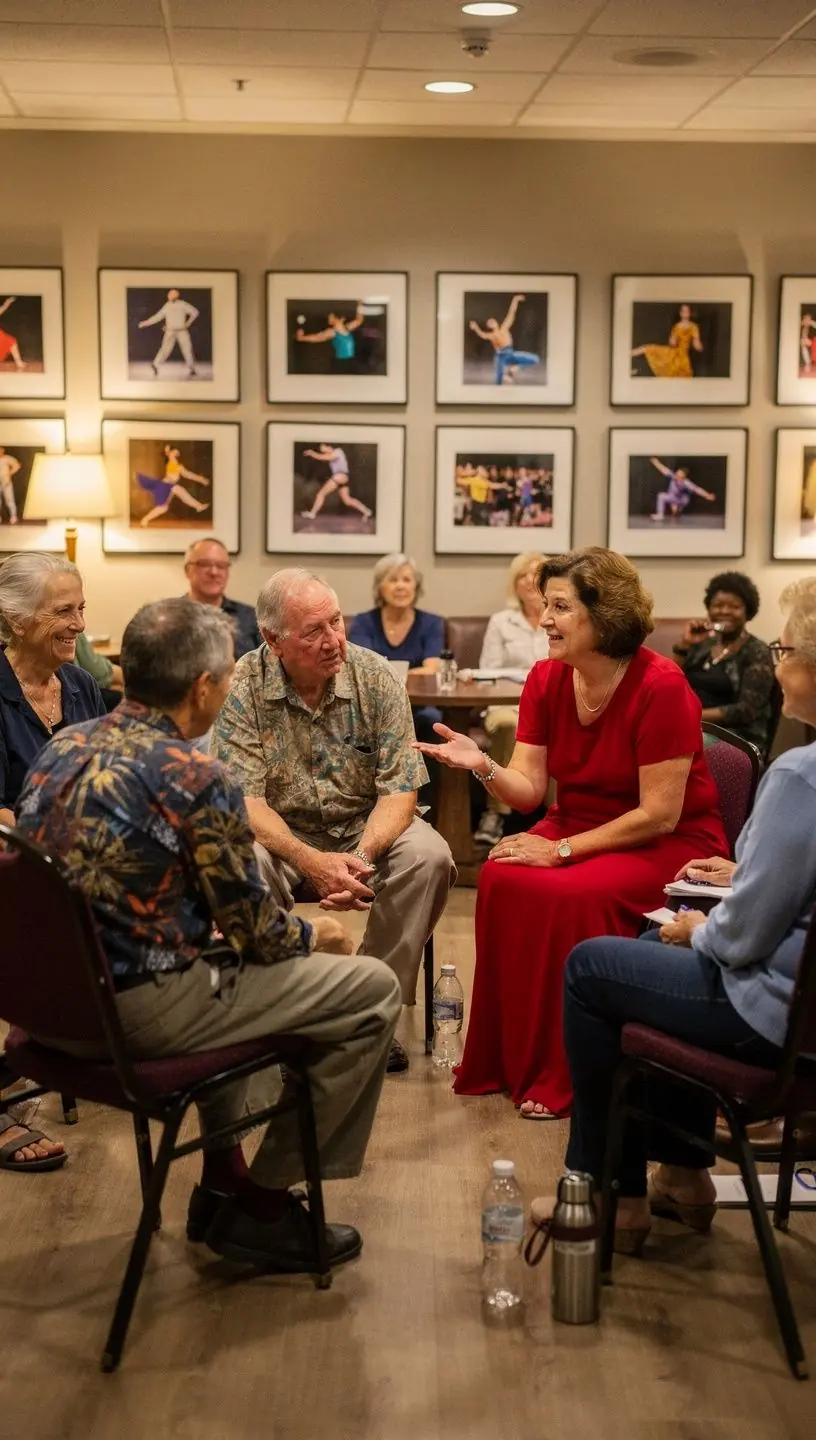
- Feedback Mechanism: Encourage participants to provide feedback on the sessions. This input is invaluable for refining the curriculum and addressing any concerns or challenges they may face.
Challenges and Limitations
While dance can be a transformative experience, there are limitations to consider. Many older adults may face physical constraints or health issues that could impact their ability to participate fully. Additionally, the time commitment required to engage regularly in dance classes may be a barrier for some. It's important to acknowledge these factors and adapt the curriculum to meet participants where they are.
Conclusion
Creating an effective dance curriculum for older adults involves a thoughtful approach that prioritizes accessibility, social interaction, and structured learning. While the journey may present challenges, the potential benefits—improved physical health, cognitive function, and social connections—are significant. By fostering a supportive and engaging environment, dance can serve as a powerful tool for social reintegration and personal growth in older adults.
Learn More