Facilitating Communication Skills Through Collaborative Dance
In an increasingly interconnected world, the ability to communicate effectively is essential. Collaborative dance serves as a unique and engaging avenue for enhancing these vital skills, particularly within coaching academies focused on social reintegration. This article examines how dance can foster communication, teamwork, and emotional expression.
Understanding the Basics
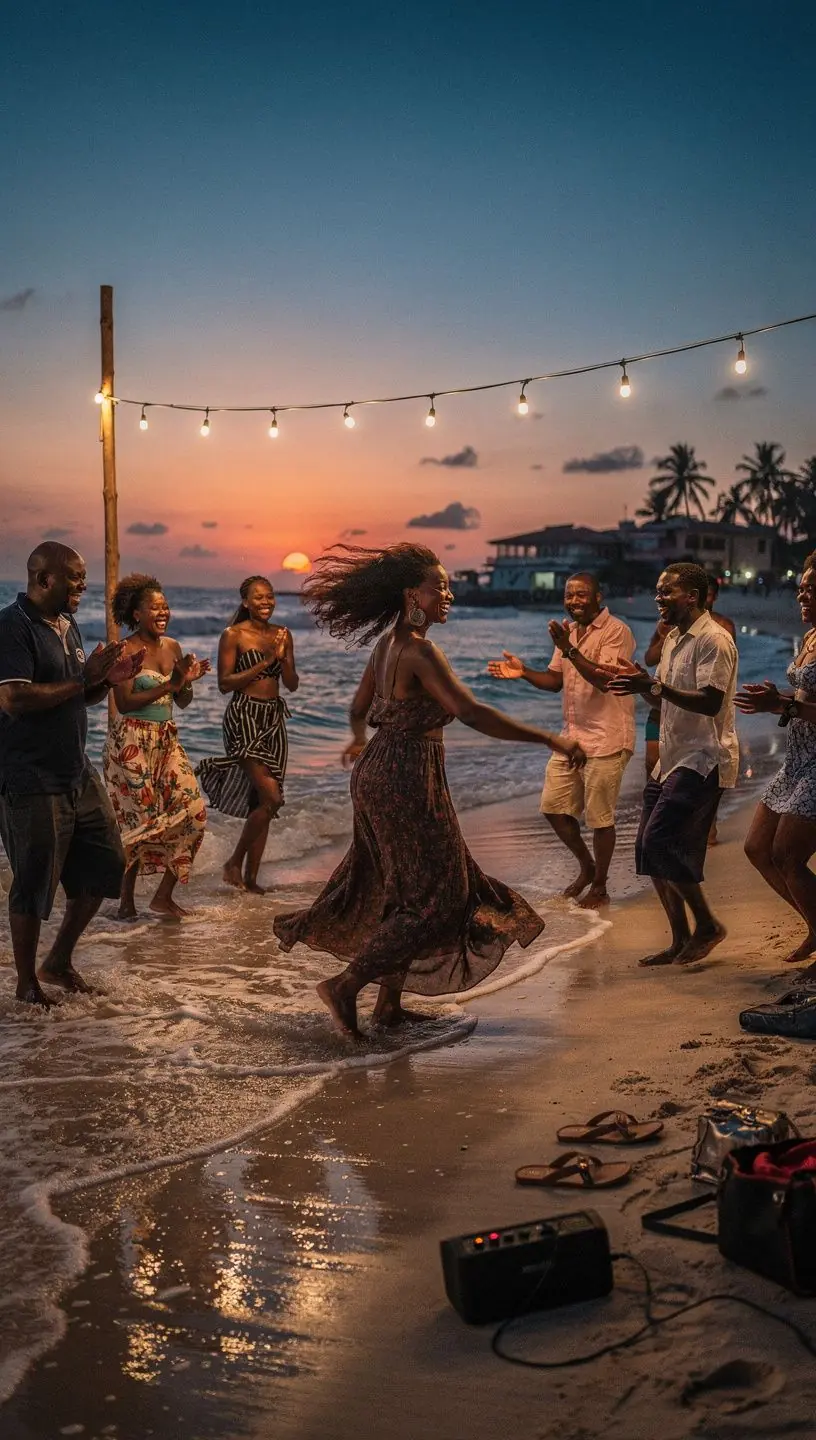
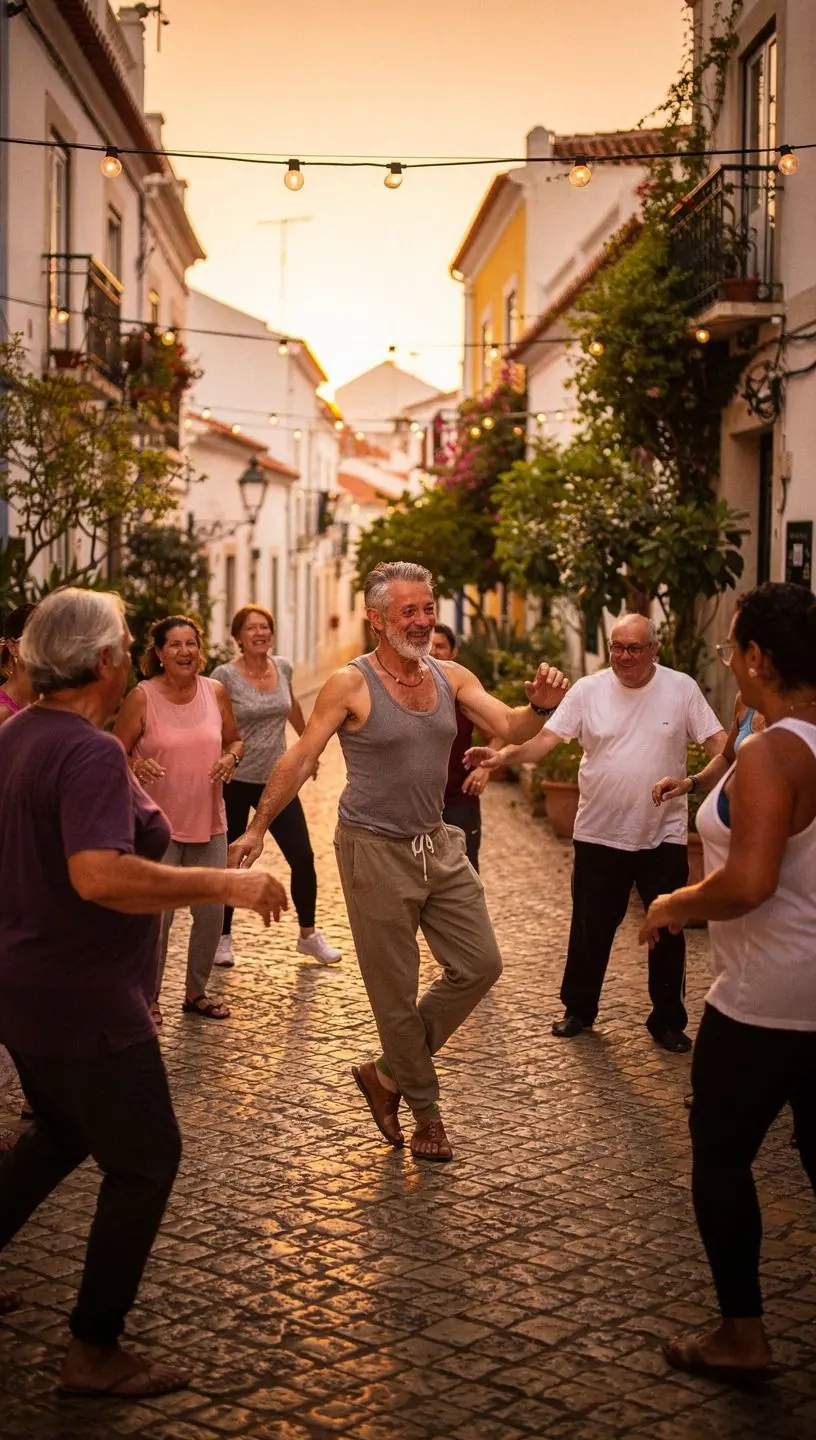
Collaborative dance activities are designed to build communication skills through non-verbal and verbal interactions. Research indicates that engaging in group dance sessions can promote greater empathy and understanding among participants. This is largely due to the shared experience of movement and the need for coordination, which can enhance one’s ability to read social cues and respond appropriately.
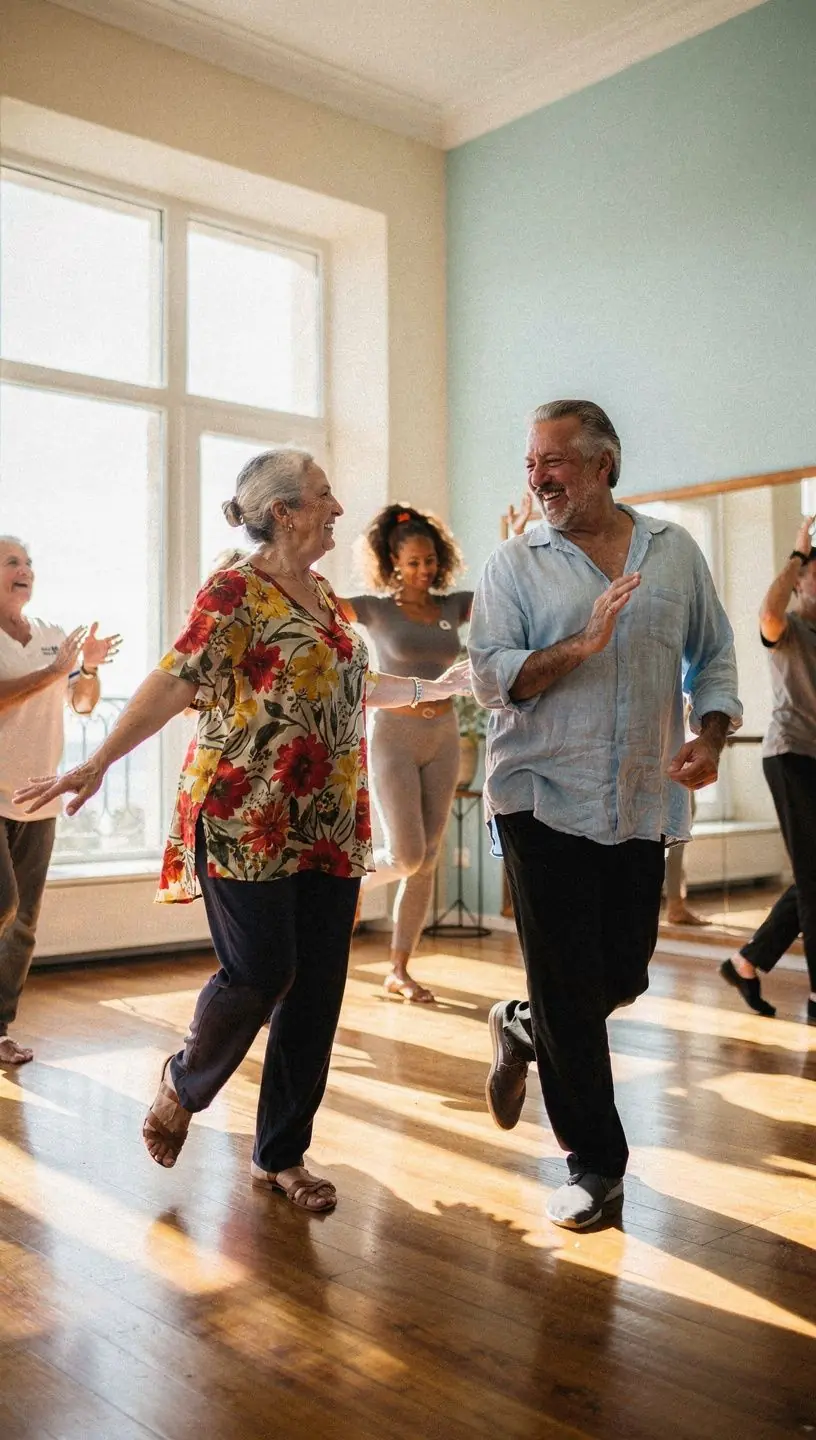
"Dance allows for a unique form of expression and can serve as a bridge for improving interpersonal communication." - Dance Therapy Association
How Collaborative Dance Enhances Communication Skills
By participating in collaborative dance, individuals often experience:
- Increased Non-Verbal Communication: Dance relies heavily on body language and movement, which can provide participants with opportunities to express feelings and ideas without using words.
- Teamwork and Cooperation: Many collaborative dance activities require participants to work together, fostering a sense of community and mutual support.
- Emotional Expression and Regulation: Dance provides a safe space for individuals to explore and express emotions, which can improve emotional intelligence and communication skills.
Implementing Collaborative Dance in Coaching Academies
Integrating collaborative dance into coaching programs typically involves structured sessions that focus on specific goals. Here are a few steps on how to implement such programs:
- Define Objectives: Determine the specific communication skills you aim to enhance, such as listening, clarity in expression, or teamwork.
- Choose Appropriate Dance Styles: Different styles may encourage varied forms of expression. For example, improvisational dance can enhance spontaneity, while structured choreography may focus on communication through precision.
- Facilitate Sessions: Work with trained facilitators who can guide participants through exercises that promote both movement and dialogue. This may involve creating scenarios that require collaboration.
Challenges and Considerations
While collaborative dance can effectively enhance communication skills, it is crucial to acknowledge some limitations:
- Time Commitment: Participants may need to engage in multiple sessions, typically spanning several weeks, to see marked improvements in their communication skills.
- Varied Individual Experiences: Participants may have different comfort levels with physical movement and expression, which can influence their engagement in these activities.
- Need for Professional Guidance: Effective facilitation is essential to ensure that sessions are productive and that all participants feel included and supported.
Conclusion
Collaborative dance offers a promising approach for enhancing communication skills within coaching academies focused on social reintegration. By understanding the principles behind these activities and their potential benefits, educators and facilitators can create impactful, inclusive environments. With dedication and proper implementation, participants can experience improved communication abilities that may extend beyond dance and into their everyday interactions.