Assessing Progress in Social Skills through Dance Activities
Dance is not merely a form of entertainment; it serves as a powerful medium for enhancing social skills and promoting social reintegration, particularly in structured environments. This article explores the ways in which dance activities can facilitate the assessment of social skills development.
Understanding the Basics
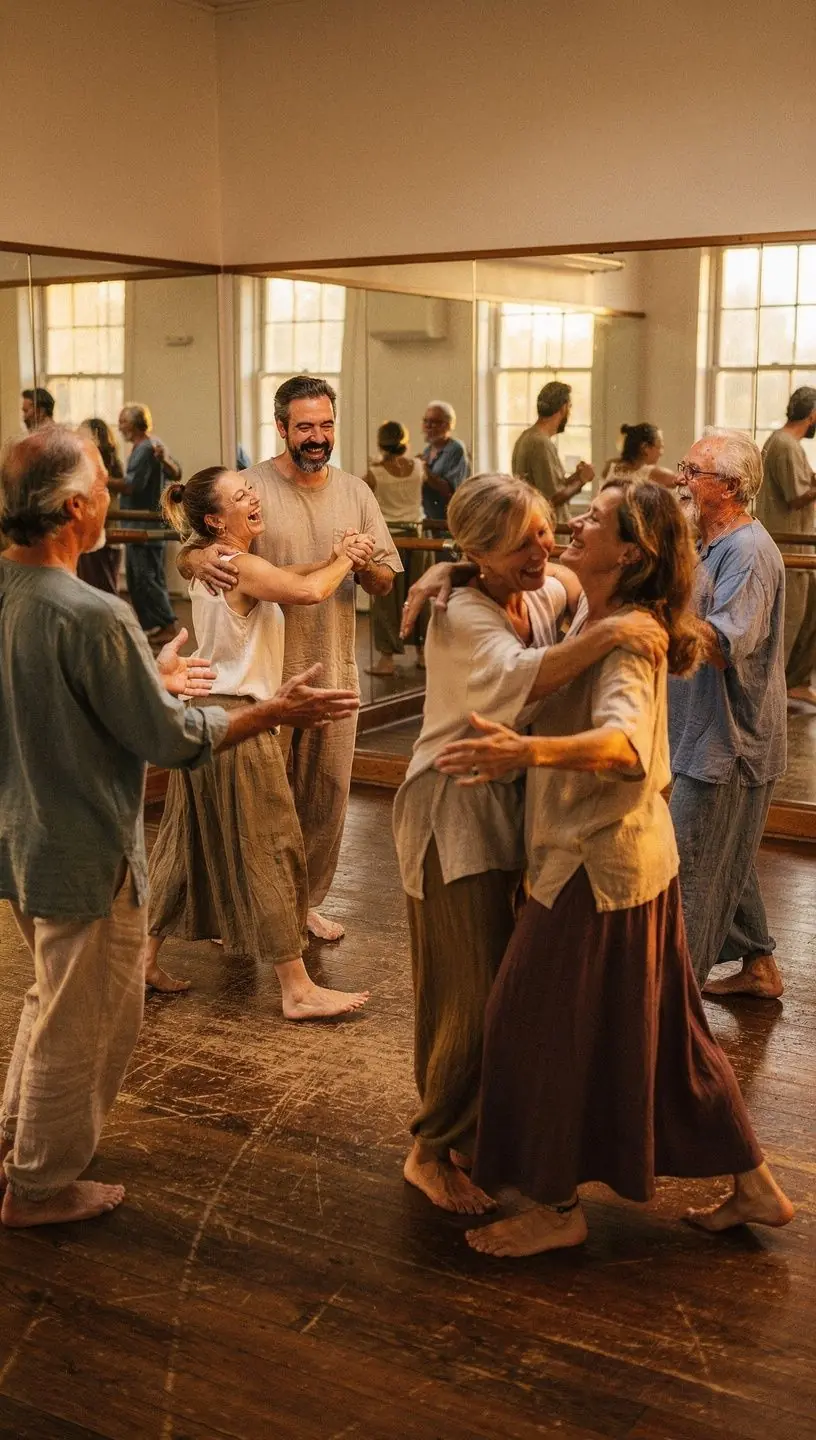
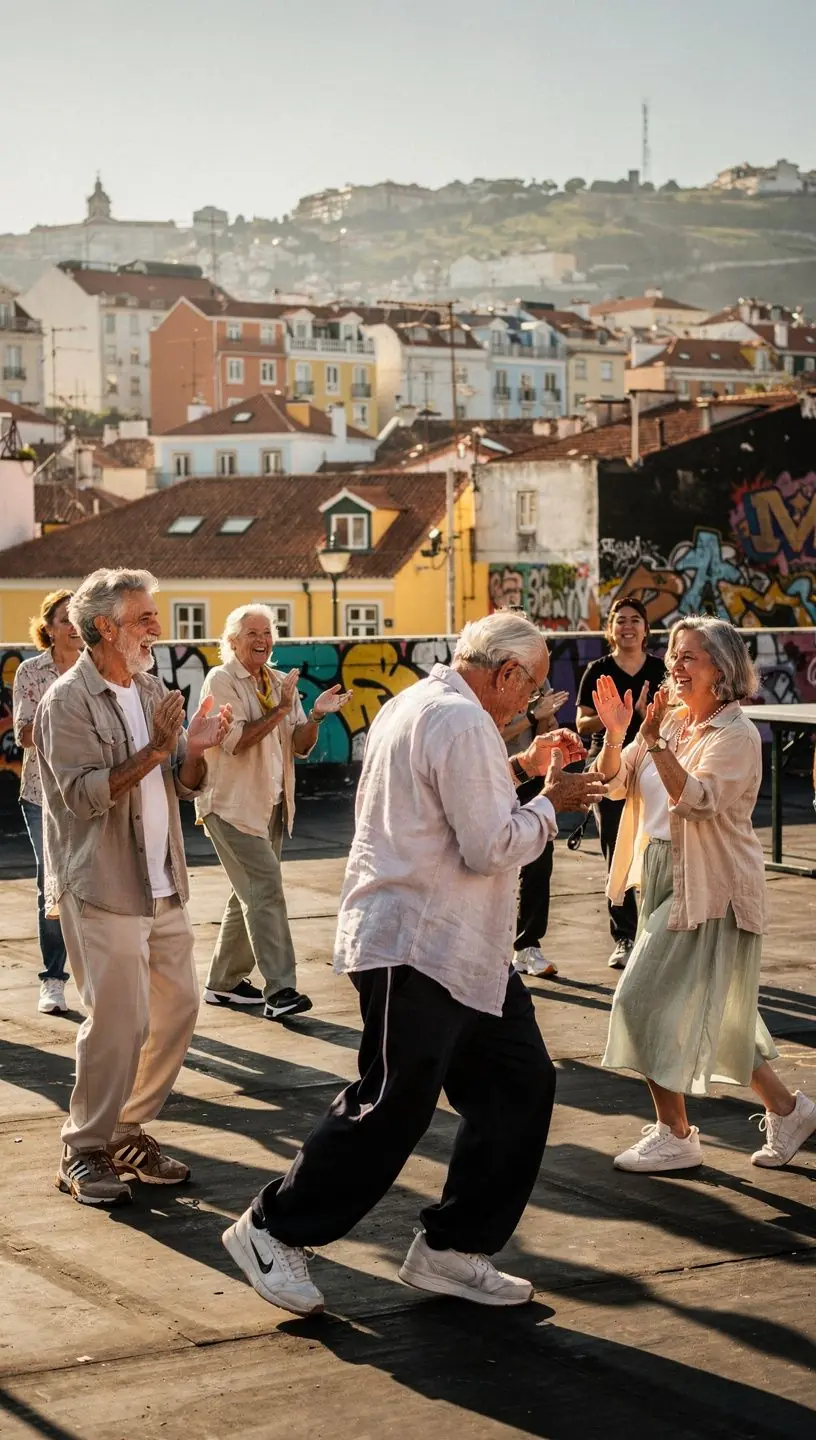
Dance activities are increasingly recognized as a valuable tool for fostering social interaction and improving interpersonal skills. According to studies, engaging in group dance sessions can lead to noticeable improvements in communication, teamwork, and emotional expression. This works because dance requires participants to be aware of their bodies, movements, and the presence of others, fostering essential skills for social integration.
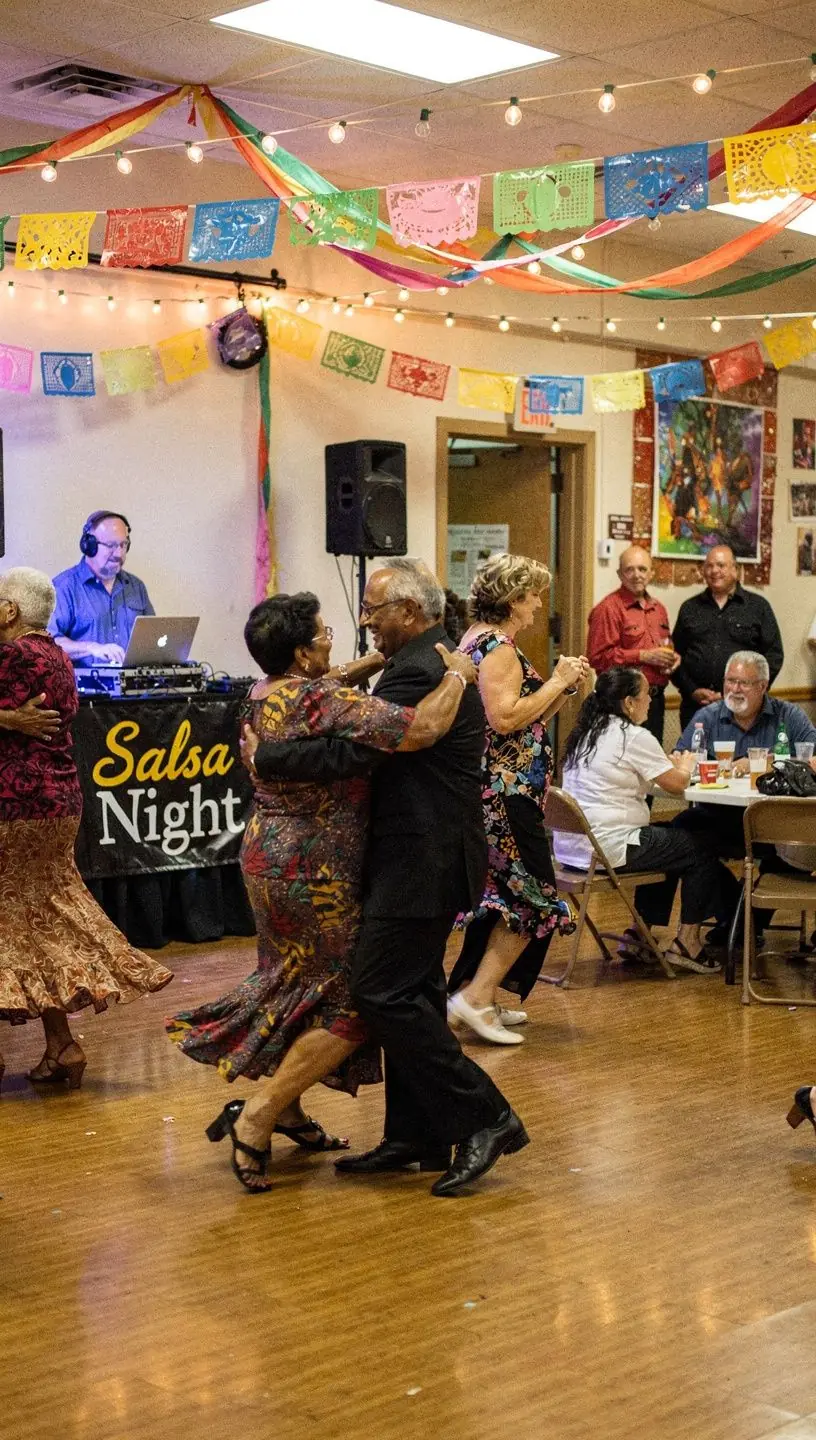
"Research indicates that dance can significantly enhance social skills, providing a fun and engaging way for individuals to learn about cooperation and empathy."
Why Dance Matters in Social Reintegration
Dance offers a unique avenue for assessing and developing social skills due to several key factors:
- Structured environment: Dance classes often have a set routine, which creates a safe space for individuals to practice social interactions without the pressures of spontaneous social situations.
- Non-verbal communication: Many dance forms emphasize body language and facial expressions, allowing individuals to develop their ability to interpret and convey emotions, which is crucial for effective communication.
- Teamwork: Partner dances require synchronization and cooperation, which can help participants learn to work together toward a common goal, enhancing their teamwork skills.
Practical Application: Assessing Social Skills through Dance
When utilizing dance for social skills assessment, it’s important to follow a structured approach. Here’s a typical process:
- Observation: Instructors can observe participants during group dance sessions, noting interactions and the ability to engage with peers.
- Feedback: Providing constructive feedback can help participants understand their strengths and areas for improvement in social scenarios.
- Progress Tracking: Documenting changes over time allows for measurable assessments of social skills growth, typically visible within a few weeks of consistent participation.
Limitations and Considerations
While dance is an effective means of enhancing social skills, there are some limitations to consider:
- Results typically appear within 3-6 months of ongoing participation, which requires a commitment to regular dance sessions.
- This approach may not be ideal for individuals who have significant mobility limitations or who do not enjoy physical activity.
- Initial participation may involve a learning curve, as individuals adapt to the dance format and group dynamics.
Conclusion
In conclusion, utilizing dance activities for assessing and developing social skills presents a viable and enjoyable method for promoting social reintegration. By creating a supportive environment and focusing on observable behaviors, instructors can effectively gauge progress while helping individuals build essential interpersonal skills. While the journey may require commitment and patience, the benefits of improved social interactions can make the effort worthwhile.
Learn More